BLANK MEANS NO: Skipping this question on your ballot is still a vote
School fund vote could add $24,000 a year for Pelican schools—without touching your wallet
Leave one question blank on a Minnesota ballot, and the state counts it as a vote against. That rule could decide whether Pelican Rapids Public Schools receives a bigger share of a fund that dates back to statehood.
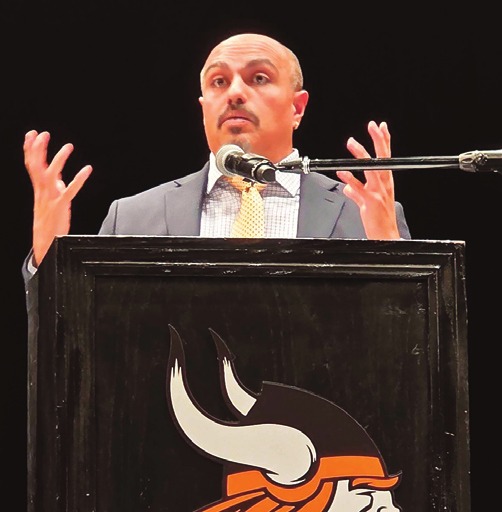
Voters will see a constitutional amendment titled the “Permanent School Fund constitutional amendment.” Rudy Martinez, finance director for Pelican Rapids Public Schools, attended the October 17 candidate forum to explain the Minnesota Permanent School Fund to residents. He provided information on how the fund works and how the proposed change would affect local schools.
Because Minnesota constitutional amendments require a “yes” vote from a majority of all voters participating in the election, skipping the question has the exact same effect as voting “no.”
1858 land trust still funds classrooms
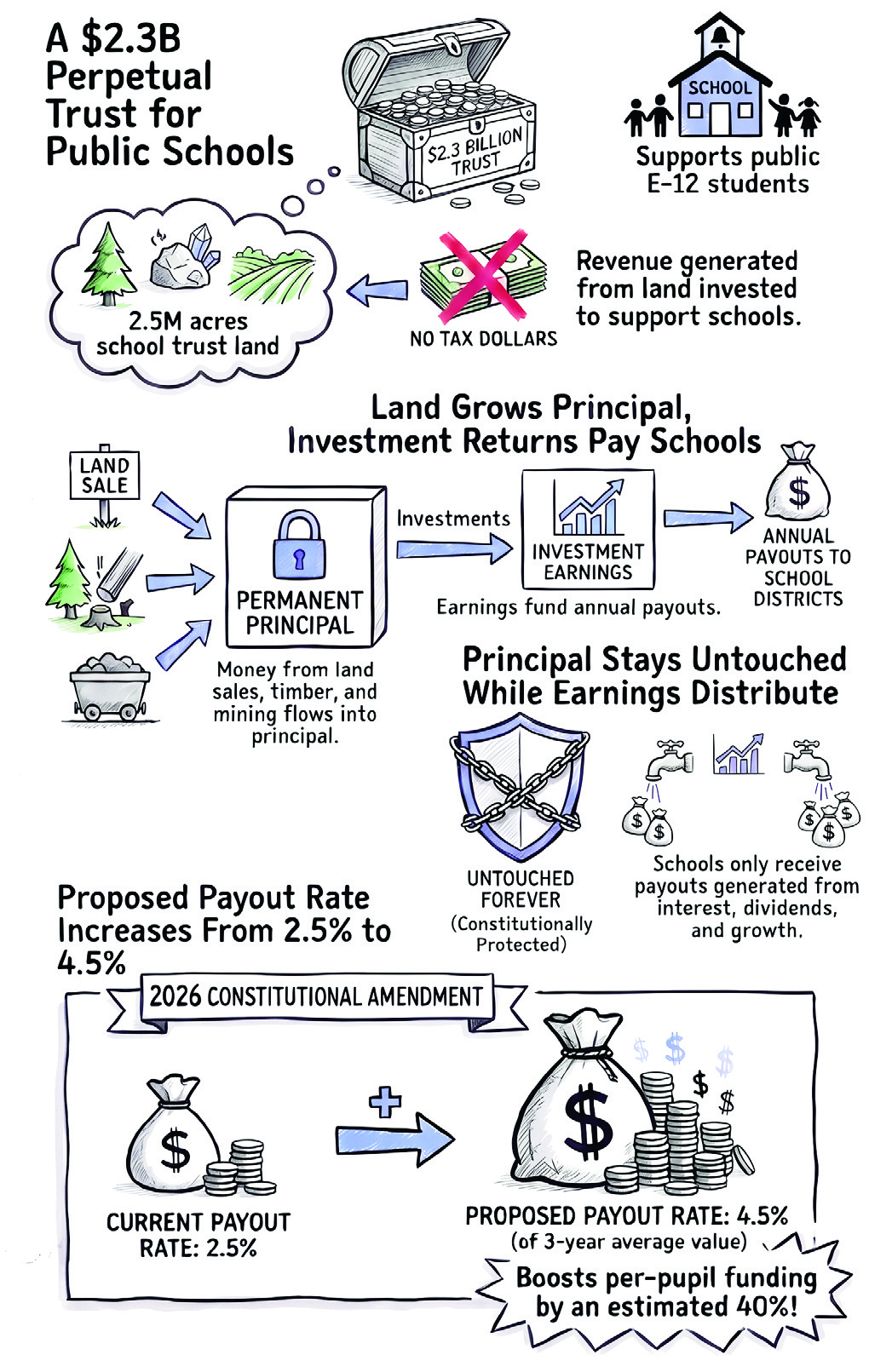
When Minnesota became a state in 1858, public lands were set aside in a permanent trust to support education. The trust generates revenue through activities like timber sales, mining, grazing, and farming leases, which is then invested in a financial endowment.
Pelican Rapids currently receives between $60 and $68 per pupil from the fund each year.
Based on student enrollment, that adds up to between $60,000 and $68,000 annually for the district.
Proposal would pay on market value, not just earnings
The Permanent School Fund has grown significantly over the years, rising from $675 million in 2010 to roughly $2.3 billion by 2025.
Under the current model, distributions are strictly limited to earned interest and dividends and capped at 2.5% of the fund’s total value.
The proposed amendment would modernize this formula, replacing the interest-and-dividends limit with a flat payout of 4.5% of the fund’s three-year rolling average market value. This shift allows distributions to tap into overall market growth (capital gains) while using a three-year average to protect school budgets from sudden stock market dips.
Under the new formula, statewide payouts are projected to rise from about $68 to $101 per student. For Pelican Rapids, that would mean an estimated extra $33 per pupil—increasing the district’s annual total by roughly $24,000 to $28,000.
The proposed change does not involve any tax increases on income or land.
Pelican Rapids will not know its final share until voters decide. Until then, a blank box on the ballot will still speak—and it will say no.