BLACK HOLES VS. SHARED TABLES
How a candidate directs attention says a lot about how—and what—they truly serve
It is peak church supper season across our region, and if you look past the roaster pans of meatballs and platters of bars, there is a lesson sitting right on those folding tables.
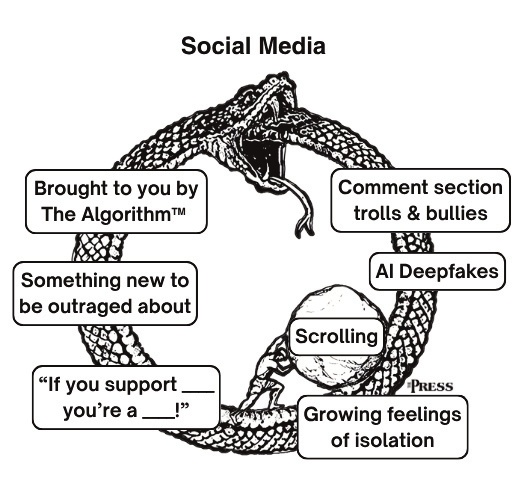
The modern digital world operates like a continuous spectacle.
On our phones and social media feeds, politics has been turned into entertainment—an endless arcade where performers compete for attention, feed on manufactured outrage, and pull our civic energy inward like a black hole to build their personal brands.
We are treated as spectators meant to applaud, react, and divide.
Our attention is the currency they trade for the power to shape what we believe, choose, and do. While they fill our feeds with their latest outrage, the rest of us lose sight of the neighbor sitting across the table who needs a ride to the polls or a listening ear over coffee.
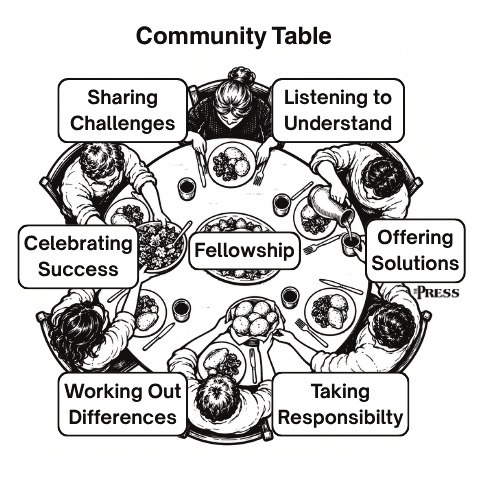
But here’s the thing. A community is not an audience, and real life does not happen on a screen. Real life happens around a shared table.
You cannot feed hundreds of neighbors at a church supper or a pancake breakfast with grandstanding or viral soundbites.
It requires people who are willing to direct their energy outward—to wash their hands, pour the coffee, listen across differences, and do the unglamorous work of making sure everyone is cared for.
It is the difference between an energy sink that demands to be watched and an energy source that shows up to sustain the community.
We literally call the people we elect “public servants,” but we often forget what that second word actually requires.
True public service is kitchen duty for the common good. It’s “washing the feet” of our neighbors, setting the table, and staying after the last guest has gone home to clean up— not giving a speech about it and then going home after the applause ends.
When we mark our ballots on November 3 for school boards, city councils, county seats, and state offices, we are choosing who sits at the community table to steward our shared future—not clicking “like” on a political actor’s social media post.
And believe me, I get it. It’s noisy and distracting and overwhelming to try and keep up with all of the noise and commentary, but that's exactly why taking a moment to step back and see the bigger picture can help you discern between what is authentic and what is merely loud.
In the end, every candidate is asking for authority.
Authority to make decisions about the roads, schools, and budgets that touch every family in this community—but the power they gain is only as good to us as the direction their energy flows.
The test is discerning what they want that authority to elevate—their own platform, or the best interests of you and me?